top of page


BPC-157 Storage Temperature and Shelf Life: The Complete Research Guide
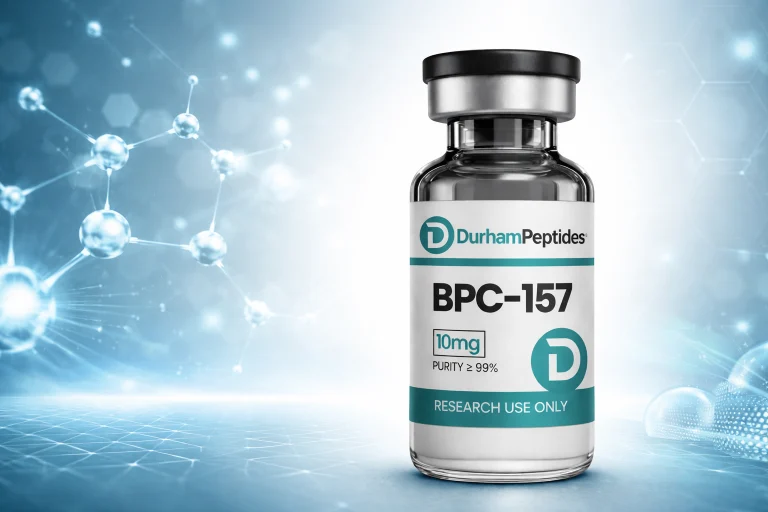
BPC-157 peptide storage refrigeration research Durham Peptides Canada BPC-157 is one of the most widely researched peptides in Canada, but proper storage is essential to maintain its stability for laboratory work. Improperly stored BPC-157 can degrade — losing bioactivity, changing purity, and producing inconsistent research results. Unlike the broader peptide storage question, BPC-157 has specific stability characteristics that researchers should understand. This guide cover

Durham Peptides
Apr 207 min read


Peptide Storage Guide: How to Keep Your Research Peptides Stable
BPC-157 peptide vial from Durham Peptides Canada Proper storage is essential for maintaining peptide integrity. Research peptides are biological molecules that can degrade when exposed to heat, moisture, light, or repeated freeze-thaw cycles. Whether you're storing a single vial for a week-long experiment or maintaining a research inventory over several months, understanding the basics of peptide storage will help ensure consistent results. This guide covers the two states in

Durham Peptides
Apr 13 min read


What Is Bacteriostatic Water? Why Every Peptide Requires It
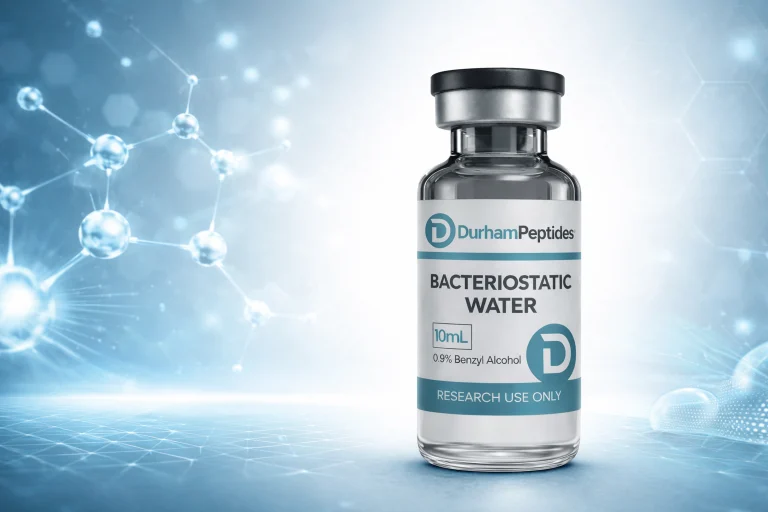
Bacteriostatic water vial from Durham Peptides Canada If you've ever looked at a peptide product listing and seen the phrase "requires bacteriostatic water for reconstitution," you may have wondered what bacteriostatic water actually is, why it's necessary, and how it differs from regular sterile water. This guide covers everything researchers need to know. What Is Bacteriostatic Water? Bacteriostatic water (commonly called BAC water) is a sterile, nonpyrogenic preparation o

Durham Peptides
Mar 313 min read


How to Reconstitute Peptides: A Step-by-Step Guide for Researchers
Bacteriostatic water 10mL for peptide reconstitution Durham Peptides Canada Research peptides are supplied in lyophilized (freeze-dried) form — a stable powder that must be reconstituted with an appropriate solvent before use in laboratory applications. Reconstitution is a straightforward process, but improper technique can damage the peptide and compromise experimental results. This guide covers the standard laboratory protocol for reconstituting lyophilized peptides with ba

Durham Peptides
Mar 193 min read


How Durham Peptides Ships Research Peptides Across Canada
For researchers ordering peptides online, shipping speed and handling quality matter more than many people realize. Peptides are temperature-sensitive biological compounds — how they're shipped can affect their integrity. This article explains how Durham Peptides handles shipping, what to expect when you order, and why domestic Canadian shipping offers significant advantages over international alternatives. Same-Day Dispatch Durham Peptides processes and ships all orders conf

Durham Peptides
Mar 12 min read


What Is Lyophilization? Why Every Research Peptide Is Freeze-Dried
If you've looked at any research peptide product listing, you've seen the term "lyophilized powder." Every peptide sold by Durham Peptides — and virtually every other peptide supplier — ships their products in this form. But what exactly is lyophilization, why is it the universal standard for peptide storage, and what does it mean for handling and quality? What Is Lyophilization? Lyophilization — commonly called freeze-drying — is a dehydration process that removes water from

Durham Peptides
Feb 243 min read
bottom of page