
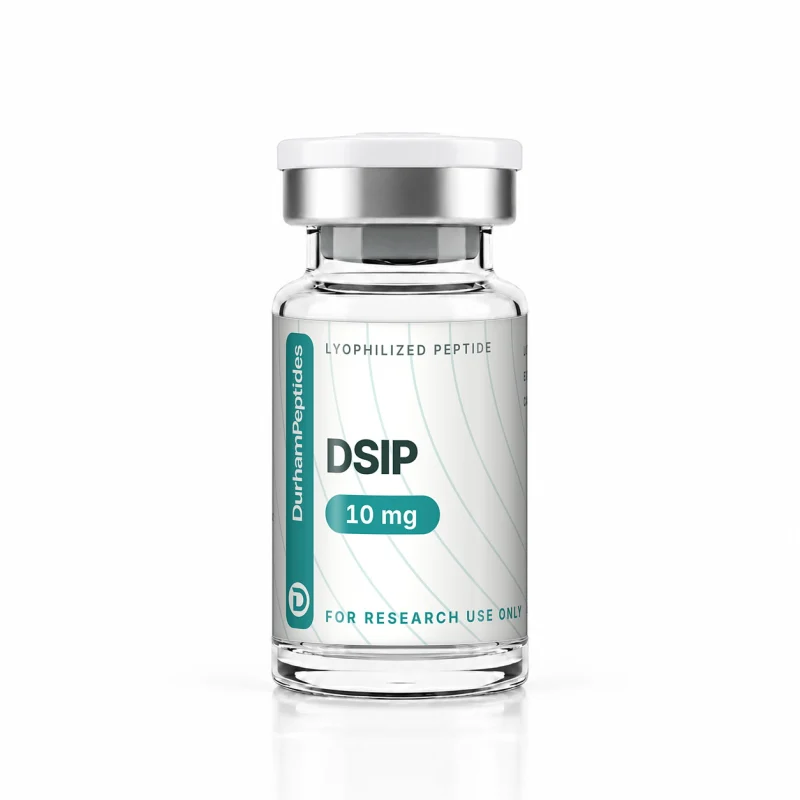
DSIP (Delta Sleep-Inducing Peptide) — 10mg
Price$49.99
REGULATORY NOTICE
These products are laboratory materials supplied for research use only. They are not drugs, natural health products, or food.
They have not been reviewed or authorized by Health Canada for any use in humans or animals, and nothing on this site should be read as a claim that any product treats, prevents or cures any condition.
Not for human or veterinary use.
Description
Delta sleep-inducing peptide (DSIP) is a naturally occurring nonapeptide originally isolated in the 1970s from the blood of sleeping rabbits. It is supplied as a lyophilized powder and ships from Ontario, Canada.
Specifications
QUICK SPECS
Form: Lyophilized peptide
Net per vial: 10 mg
Purity: ≥99% (HPLC verified)
Identity: confirmed per batch COA
Storage: 2–8°C short-term, -20°C long-term, protect from light and moisture
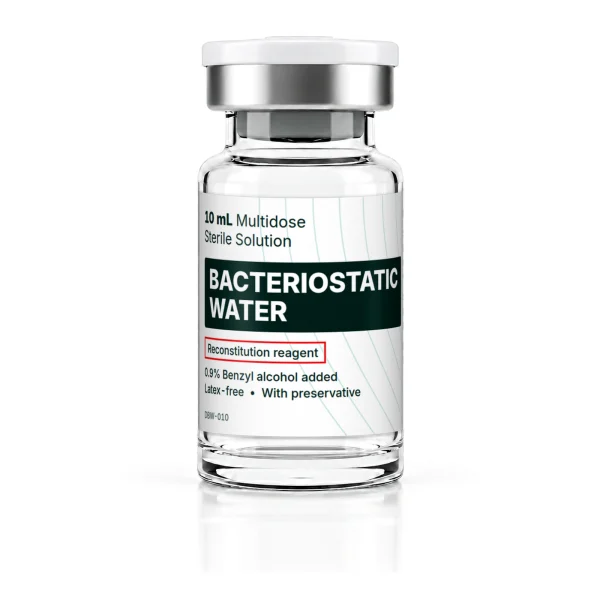
Reconstitution: Use bacteriostatic water (sold separately)
IDENTITY BASICS
Sequence: Trp-Ala-Gly-Gly-Asp-Ala-Ser-Gly-Glu (nonapeptide)
Molecular Formula: C₃₅H₄₈N₁₀O₁₅
Molecular Weight: 848.81 g/mol
CAS Number: 62568-57-4
Common Synonyms: DSIP, Delta Sleep-Inducing Peptide
Why Durham Peptides
WHY CHOOSE DURHAM PEPTIDES?
Independently lab-tested with verifiable COA keys
Same-day shipping across Canada (orders before 3:00 PM EST)
Free shipping on orders over $200 CAD
Secure payment via Interac e-Transfer (Bitcoin on request)
Domestic Canadian supplier — ships from within Canada with no customs delays
Disclaimer
For laboratory research use only.
Not for human or veterinary use.
Not intended for diagnosis, treatment, cure, or prevention of any disease.
Use only in controlled laboratory settings by qualified personnel following appropriate safety procedures.
Volume Pricing
Volume discounts apply to your whole order, not to a single item. Enter the code at checkout.
Spend $200 or more — 10% off with code VOLUME10
Spend $500 or more — 15% off with code VOLUME15
Spend $1,000 or more — 20% off with code VOLUME20
Spend $2,000 or more — 25% off with code VOLUME25
The thresholds are worth more than they look. A $499 order costs you $449. Add one more $20 vial to reach $500 and you pay $425 — more product, $24 less. Free shipping over $200.
Wholesale Accounts
Ordering at volume? The full catalogue is available at wholesale pricing through a five-tier programme.
Minimum 10 units per product, any mix of products in one order
Accounts open at $2,000 per order
Tiers are set on 12-month volume and move up automatically
Canadian stock, same-day dispatch, shipping included
Apply at durhampeptides.ca/wholesale and we come back within one business day. Single vials and multi-packs on this page are available to everyone at the prices shown — no account needed.
Frequently Paired With
-
 Quick View
-
 Quick View
Sale Regular Price
Quick View
Sale Regular Price$64.99Sale Price$54.99Add to Cart This product has multiple variants. The options may be chosen on the product page -
 Quick View
Best Seller
Quick View
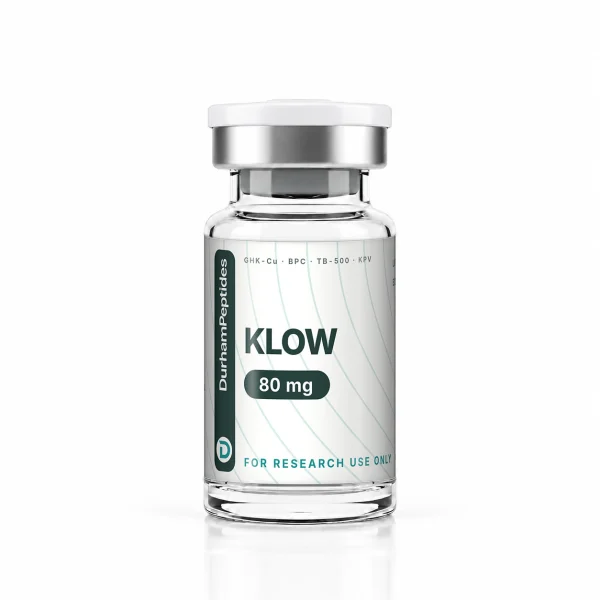
Best Seller KLOW (BPC-157 10mg + GHK-Cu 50mg + TB-500 10mg + KPV 10mg) — 80mg
Regular Price$199.99Sale Price$169.99Add to Cart This product has multiple variants. The options may be chosen on the product page -
 Quick View
New Arrival Price$87.99Add to Cart This product has multiple variants. The options may be chosen on the product page
Quick View
New Arrival Price$87.99Add to Cart This product has multiple variants. The options may be chosen on the product page -
 Quick View
New Arrival
Quick View
New Arrival SNAP-8 (Acetyl Octapeptide-3) — 10mg
Price$44.99Add to Cart This product has multiple variants. The options may be chosen on the product page -
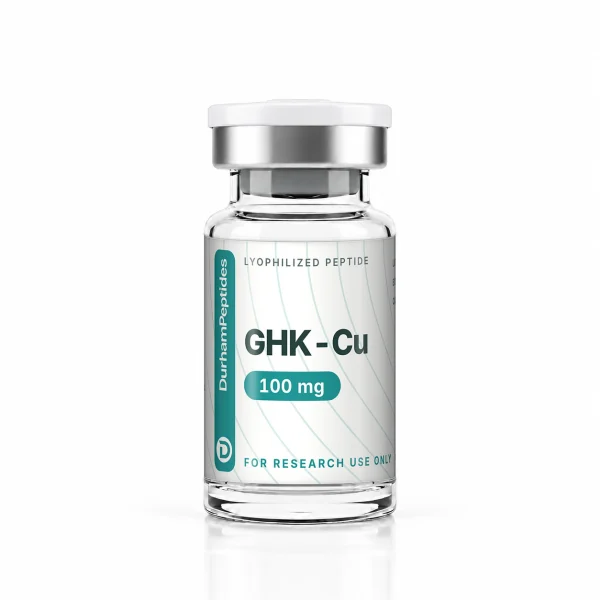 Quick View
Best Seller Regular Price
Quick View
Best Seller Regular Price$59.99Sale Price$48.99Add to Cart This product has multiple variants. The options may be chosen on the product page -
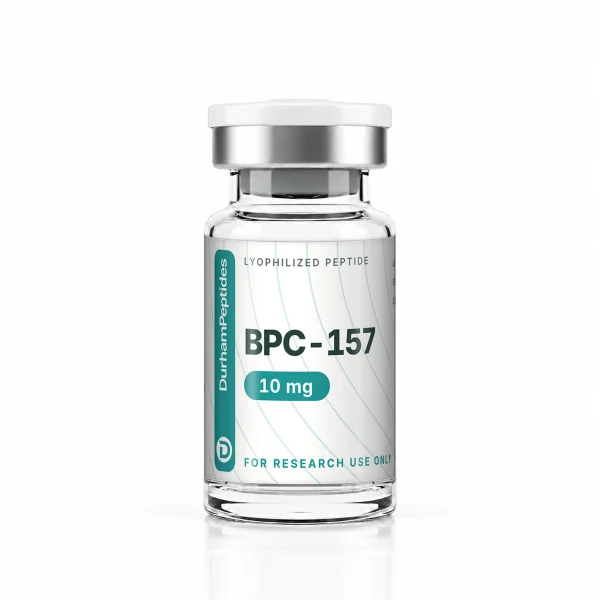
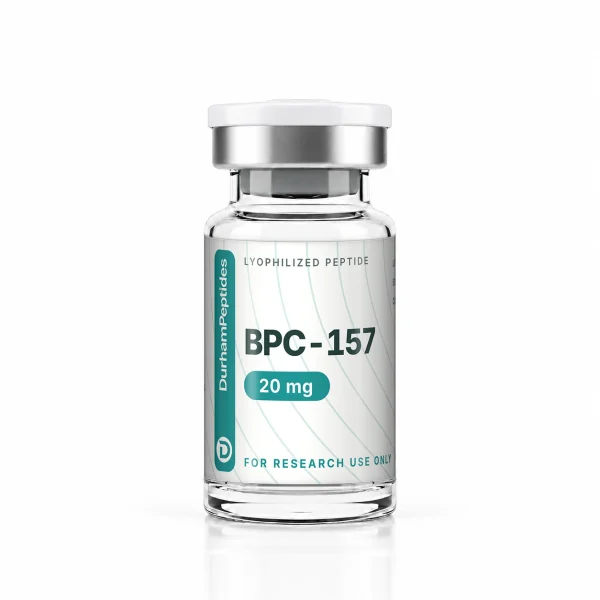 Quick View
Best Seller Regular Price
Quick View
Best Seller Regular Price$79.99Sale Price$65.99Add to Cart This product has multiple variants. The options may be chosen on the product page -
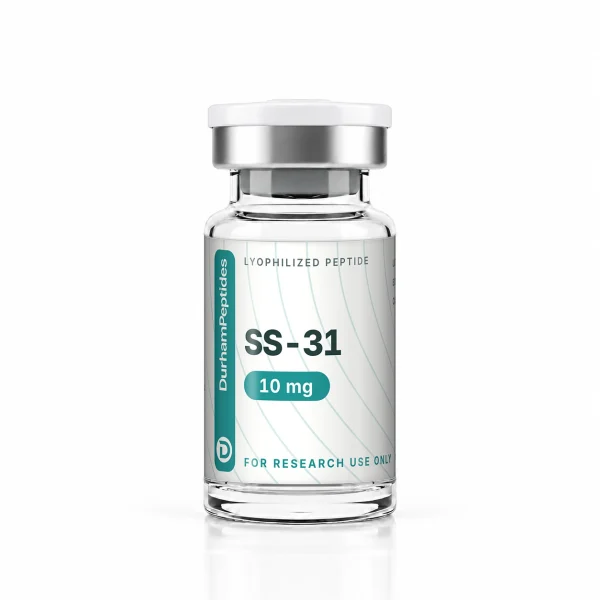
 Quick View
New Arrival Price$89.99Add to Cart This product has multiple variants. The options may be chosen on the product page
Quick View
New Arrival Price$89.99Add to Cart This product has multiple variants. The options may be chosen on the product page -
 Quick View
New Arrival Price$49.99Add to Cart This product has multiple variants. The options may be chosen on the product page
Quick View
New Arrival Price$49.99Add to Cart This product has multiple variants. The options may be chosen on the product page -
 Quick View
Sale Regular Price
Quick View
Sale Regular Price$94.99Sale Price$79.99Add to Cart This product has multiple variants. The options may be chosen on the product page -
 Quick View
Sale Regular Price
Quick View
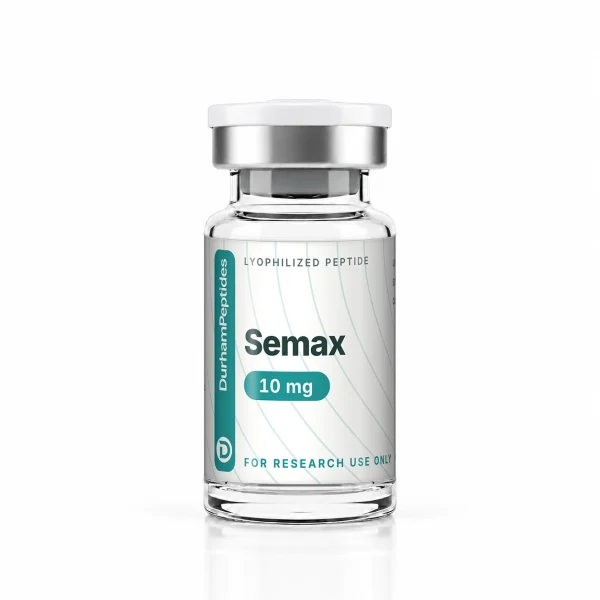
Sale Regular Price$54.99Sale Price$44.99Add to Cart This product has multiple variants. The options may be chosen on the product page -
 Quick View
Sale
Quick View
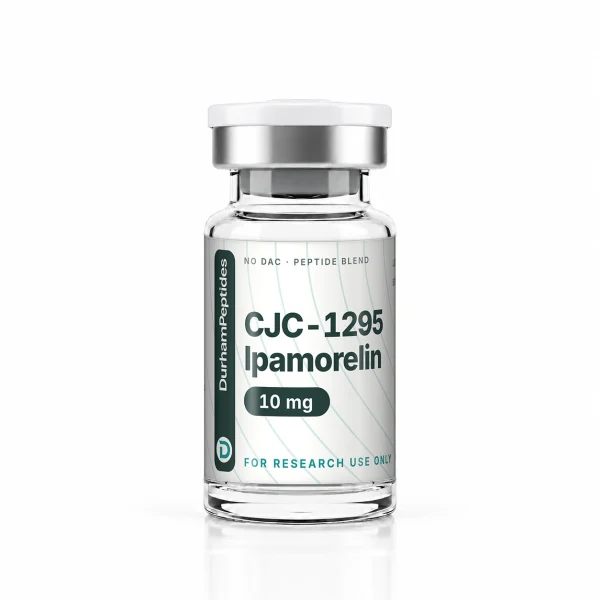
Sale CJC-1295 (No DAC) + Ipamorelin Blend — 10mg
Regular Price$114.99Sale Price$94.99Add to Cart This product has multiple variants. The options may be chosen on the product page -
 Quick View
Sale Regular Price
Quick View
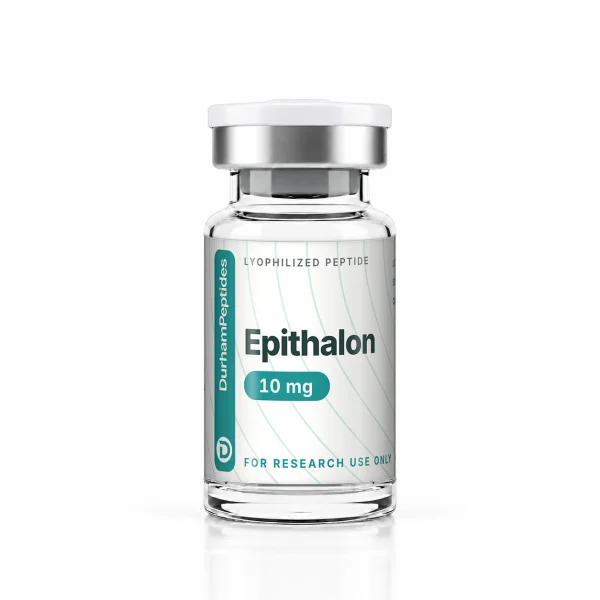
Sale Regular Price$79.99Sale Price$65.99Add to Cart This product has multiple variants. The options may be chosen on the product page -
 Quick View
Sale Regular Price
Quick View
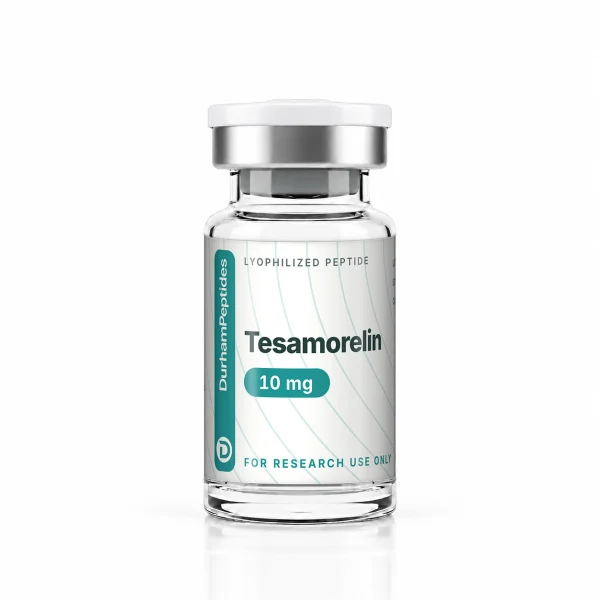
Sale Regular Price$159.99Sale Price$134.99Add to Cart This product has multiple variants. The options may be chosen on the product page -
 Quick View
New Arrival Price$39.99Add to Cart This product has multiple variants. The options may be chosen on the product page
Quick View
New Arrival Price$39.99Add to Cart This product has multiple variants. The options may be chosen on the product page