top of page


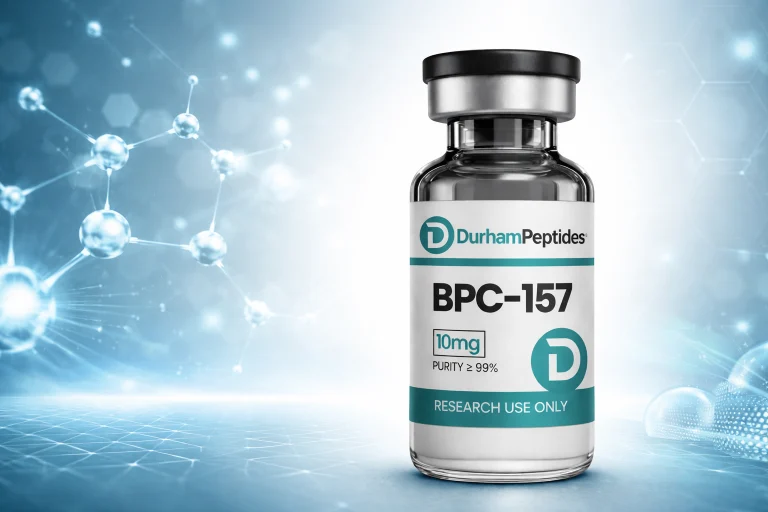
BPC-157 Storage Temperature and Shelf Life: The Complete Research Guide
BPC-157 peptide storage refrigeration research Durham Peptides Canada BPC-157 is one of the most widely researched peptides in Canada, but proper storage is essential to maintain its stability for laboratory work. Improperly stored BPC-157 can degrade — losing bioactivity, changing purity, and producing inconsistent research results. Unlike the broader peptide storage question, BPC-157 has specific stability characteristics that researchers should understand. This guide cover

Durham Peptides
1 day ago7 min read


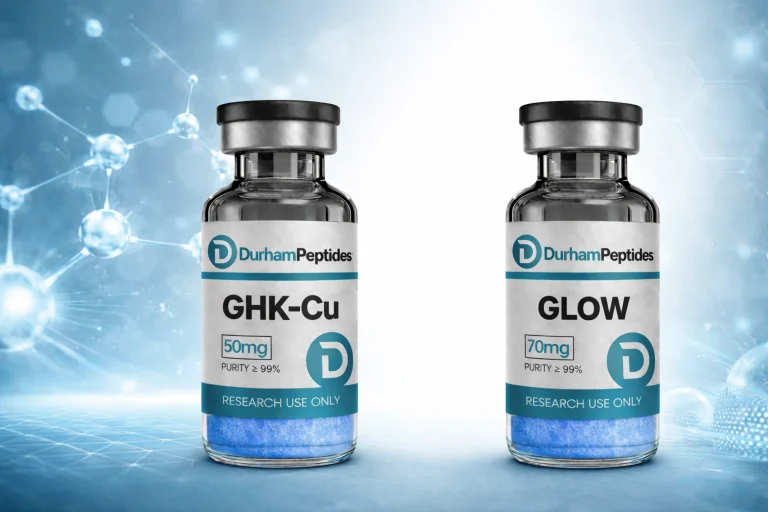
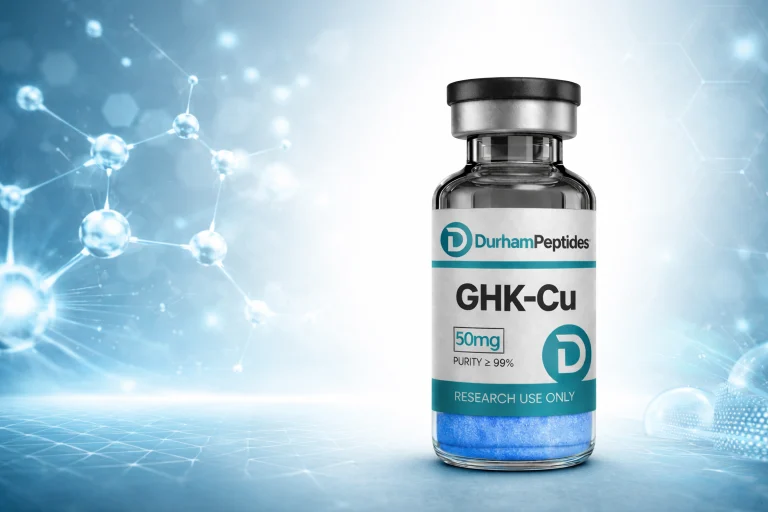
Is GLOW Blend Better Than GHK-Cu Alone? The Research-Based Decision Guide
GLOW Blend vs GHK-Cu peptide research comparison Durham Peptides Canada One of the most frequent questions Durham Peptides receives from researchers in Canada is whether to choose the GLOW Blend or GHK-Cu on its own. Both products are available in our catalog, both are widely studied in the anti-aging research space, and both have distinct advantages depending on the research protocol. This article answers the question directly: the right choice depends on your research goal.

Durham Peptides
2 days ago7 min read


Peptide Stacking: Why Researchers Combine Multiple Peptides
One of the most frequently discussed topics in the peptide research community is "stacking" — the practice of combining two or more peptides in a research protocol to study their individual and combined effects. Some combinations have become so well-established that suppliers now offer pre-blended formulations, while others remain areas of active investigation. This article examines the concept of peptide stacking, the most widely discussed combinations, and what the publishe

Durham Peptides
2 days ago3 min read


What Is HPLC? The Science Behind Peptide Purity Testing
Every reputable peptide supplier references HPLC testing in their quality claims. "99%+ purity by HPLC" has become the standard phrase across the industry. But what does HPLC actually mean, how does the testing work, and what should researchers look for when evaluating HPLC results? HPLC: The Basics HPLC stands for High-Performance Liquid Chromatography (sometimes called High-Pressure Liquid Chromatography). It is an analytical chemistry technique used to separate, identify,

Durham Peptides
2 days ago3 min read


The Canadian Peptide Market in 2026: What Researchers Should Know
The Canadian peptide research market has undergone significant growth over the past several years. What was once a niche space served by a handful of suppliers has expanded into a competitive market with dozens of active vendors, a growing awareness among the public, and increasing standards for quality and transparency. For researchers entering this space — or those evaluating their current supplier — understanding the current state of the Canadian peptide market provides im

Durham Peptides
2 days ago3 min read


Vegan Peptides: Why It Matters and How Synthetic Manufacturing Changed Everything
One of the most common questions Durham Peptides receives is about the vegan status of our products. In an industry where many compounds have historically been derived from animal sources, the shift to fully synthetic manufacturing represents a significant change — and one that matters to a growing segment of the research community. This article explains what "vegan peptides" actually means, how modern manufacturing has eliminated animal-derived ingredients, and why Durham Pe

Durham Peptides
2 days ago3 min read


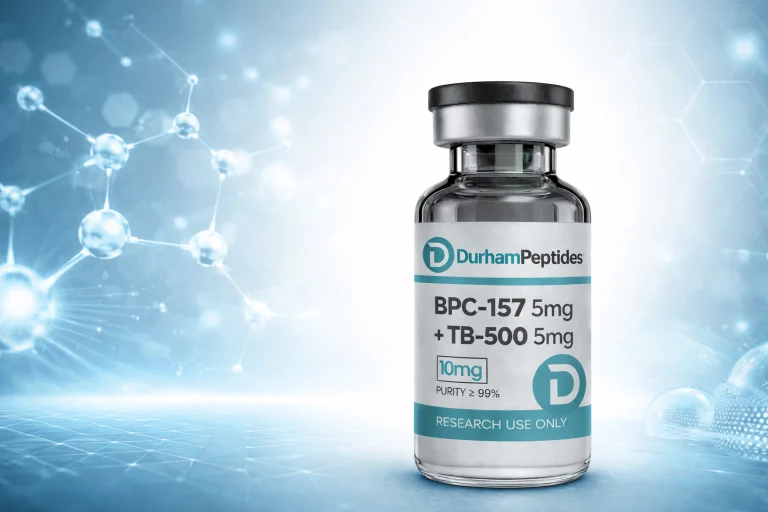
Recovery Peptides: A Research Guide to BPC-157, TB-500, and the Wolverine Stack
The recovery peptide category is the most active segment of the Canadian peptide research market. Led by BPC-157 and TB-500 — both individually and as the combined Wolverine Stack — these compounds have generated more search interest, more published research, and more community discussion than any other peptide category. This article provides a consolidated research overview of all three products and how they relate to each other. BPC-157: The Gastric Peptide BPC-157 (Body P

Durham Peptides
Apr 113 min read


Joe Rogan and Peptides: What's Been Discussed on the JRE
Few media platforms have done more to bring peptides into mainstream awareness than The Joe Rogan Experience. Over multiple episodes spanning several years, Rogan and his guests have discussed various peptide compounds — their molecular profiles, published research, and growing popularity in fitness and recovery communities. These conversations have driven a significant surge in public interest and search volume for peptides in North America, particularly in Canada. This arti

Durham Peptides
Apr 113 min read


Peptides in Weight Management Research: Semaglutide, Tirzepatide, and Retatrutide Compared
The incretin class of peptides has generated more mainstream attention than perhaps any other category of research compounds in the past decade. Semaglutide, tirzepatide, and retatrutide — representing mono-agonist, dual-agonist, and triple-agonist approaches respectively — have been studied extensively in clinical trials focused on metabolic function and body composition. This article provides a factual overview of all three compounds, their mechanisms, and how they compare

Durham Peptides
Apr 103 min read


Peptide Research in Canada: What Scientists Are Studying in 2026
Canada has quietly become one of the most active markets for peptide research in North America. From university laboratories studying tissue repair mechanisms to clinical trial programs investigating metabolic peptides, the scope of peptide science in Canada continues to expand. This article provides an overview of the key compounds driving research interest and why peptide science has gained so much momentum. Why Peptides Are a Growing Area of Scientific Interest Peptides oc

Durham Peptides
Apr 84 min read


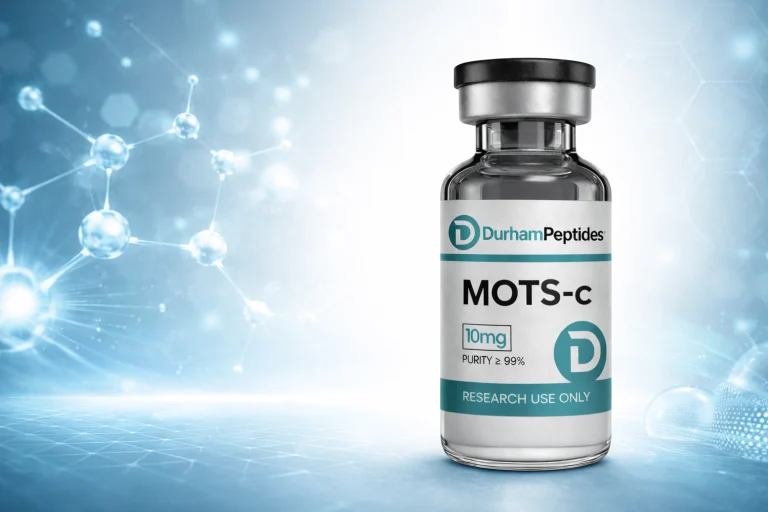
What Is MOTS-c? The Mitochondrial Peptide Reshaping Longevity Research
MOTS-c peptide vial Durham Peptides Canada In a peptide market dominated by compounds focused on recovery, weight management, and skin health, MOTS-c occupies a unique position. It's not derived from gastric juice like BPC-157, it's not a synthetic hormone analog like semaglutide, and it's not found in general circulation like Thymosin Beta-4. MOTS-c is encoded within mitochondrial DNA — making it fundamentally different from virtually every other peptide on the market. This

Durham Peptides
Apr 53 min read


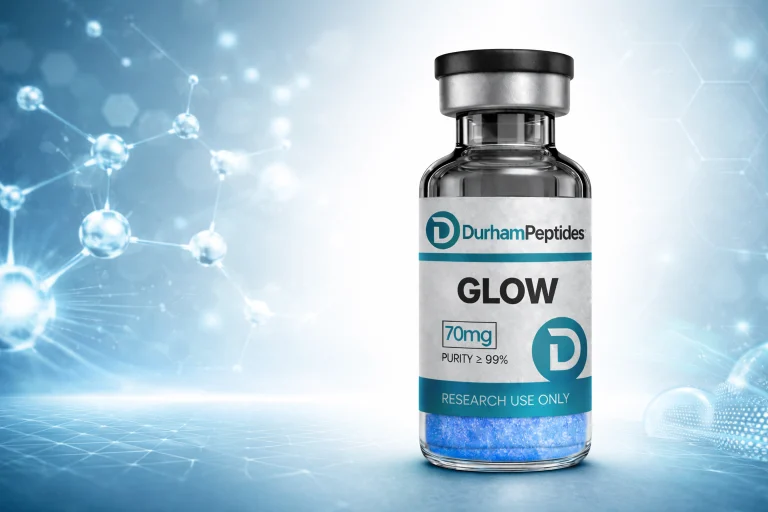
What Is the GLOW Blend? The Anti-Aging Peptide Stack Explained
GLOW peptide vial from Durham Peptides Canada In the peptide research community, multi-compound blends have become increasingly popular as a way to study complementary mechanisms without the complexity of managing multiple vials. The GLOW Blend is one of the most notable examples — a three-peptide formula that brings together the most widely studied anti-aging peptide, the most popular healing peptide, and one of the most researched recovery peptides in a single vial. But wha

Durham Peptides
Apr 34 min read


Peptide Storage Guide: How to Keep Your Research Peptides Stable
BPC-157 peptide vial from Durham Peptides Canada Proper storage is essential for maintaining peptide integrity. Research peptides are biological molecules that can degrade when exposed to heat, moisture, light, or repeated freeze-thaw cycles. Whether you're storing a single vial for a week-long experiment or maintaining a research inventory over several months, understanding the basics of peptide storage will help ensure consistent results. This guide covers the two states in

Durham Peptides
Apr 13 min read


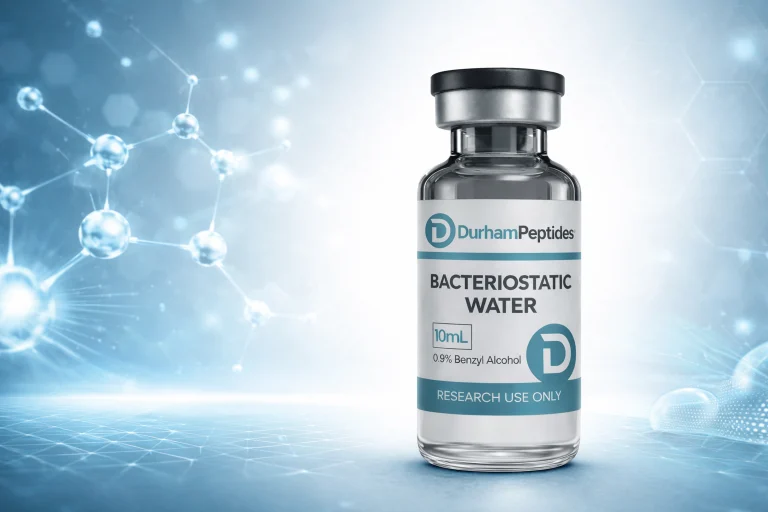
What Is Bacteriostatic Water? Why Every Peptide Requires It
Bacteriostatic water vial from Durham Peptides Canada If you've ever looked at a peptide product listing and seen the phrase "requires bacteriostatic water for reconstitution," you may have wondered what bacteriostatic water actually is, why it's necessary, and how it differs from regular sterile water. This guide covers everything researchers need to know. What Is Bacteriostatic Water? Bacteriostatic water (commonly called BAC water) is a sterile, nonpyrogenic preparation o

Durham Peptides
Mar 313 min read


GHK-Cu vs GLOW Blend: Which Anti-Aging Peptide Is Right for Your Research?
GHK-Cu is one of the most extensively studied peptides in anti-aging research, with over 100 published studies spanning five decades. The GLOW Blend is a multi-peptide formulation that combines GHK-Cu with two additional research peptides — BPC-157 and TB-500. Both are available from Durham Peptides, and researchers frequently ask which option is more appropriate for their work. This article compares the two products across their composition, mechanisms, and research applicat

Durham Peptides
Mar 293 min read


GHK-Cu: The Anti-Aging Copper Peptide with Over 100 Published Studies
GHK-Cu peptide vial from Durham Peptides Canada In a field dominated by large, complex peptides, GHK-Cu stands out as remarkably small — just three amino acids and a copper ion. Yet this naturally occurring tripeptide-copper complex has been the subject of more published research than almost any other peptide in the anti-aging and skin regeneration space, with over 100 studies spanning five decades. What Is GHK-Cu? GHK-Cu (glycyl-L-histidyl-L-lysine copper) is a naturally oc

Durham Peptides
Mar 273 min read


How to Buy Peptides in Canada: A Complete Guide for 2026
The Canadian peptide market has grown significantly over the past few years, with dozens of suppliers now operating online. For researchers and buyers navigating this space for the first time, the number of options can be overwhelming — and the difference between a legitimate supplier and a questionable one isn't always obvious. This guide covers everything you need to know about sourcing research peptides in Canada: what to look for in a supplier, how to verify purity claims

Durham Peptides
Mar 254 min read


Retatrutide vs Tirzepatide vs Semaglutide: Comparing the Metabolic Peptides
The incretin peptide class has evolved rapidly. In the span of a few years, metabolic peptide research has progressed from single-receptor compounds to dual-receptor and now triple-receptor agonists. Semaglutide, tirzepatide, and retatrutide represent three generations of this progression — each building on the pharmacological foundation of the last. This article compares all three compounds across their receptor pharmacology, clinical data, and research implications. The Cor

Durham Peptides
Mar 253 min read


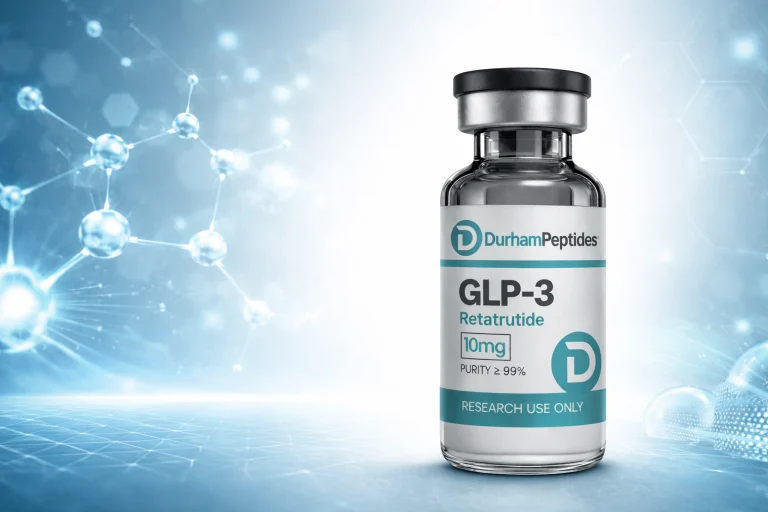
What Is Retatrutide? The Triple Agonist Peptide Everyone's Talking About
Retatrutide peptide vial from Durham Peptides Canada If semaglutide was the first wave and tirzepatide was the second, retatrutide is shaping up to be the third — and potentially the most significant — advancement in incretin-based peptide research. Retatrutide is a synthetic peptide that simultaneously activates three receptors: GLP-1 (glucagon-like peptide-1), GIP (glucose-dependent insulinotropic polypeptide), and glucagon. This triple-agonist mechanism makes it the fir

Durham Peptides
Mar 233 min read


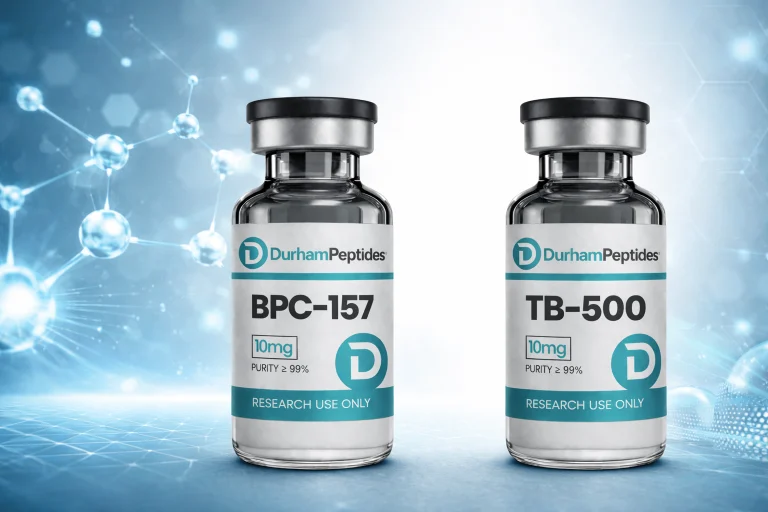
BPC-157 vs TB-500: Which Recovery Peptide Do Researchers Prefer?
BPC-157 and TB-500 recovery research peptide comparison Durham Peptides Canada BPC-157 and TB-500 are the two most discussed recovery-related research peptides in Canada. Both are studied for their roles in tissue repair, and both appear regularly in research forums, biohacking communities, and scientific literature. But despite their frequent comparison, they are fundamentally different compounds with distinct mechanisms of action. This article provides a factual comparison

Durham Peptides
Mar 223 min read
bottom of page